
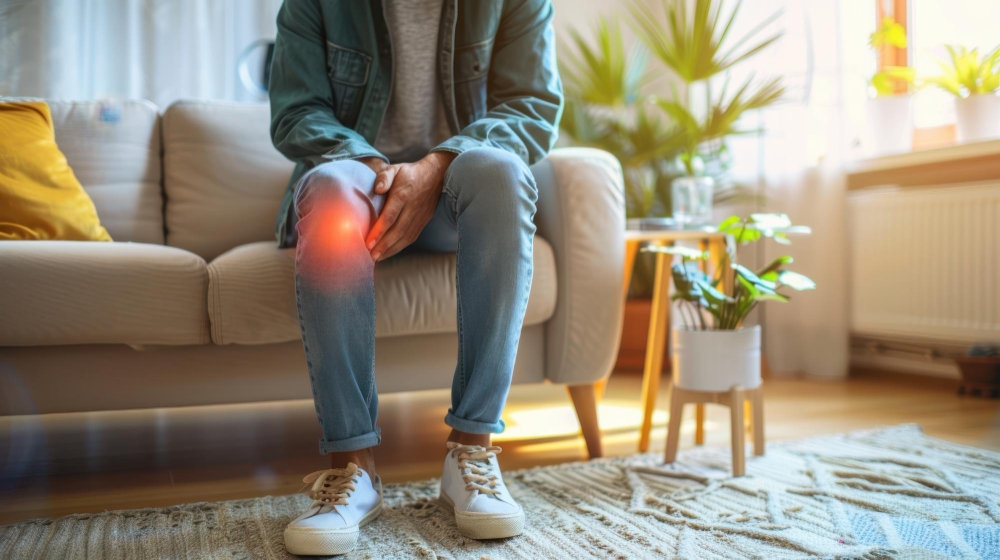
Why Knee Pain Gets Worse in Winter
Many people notice knee pain in winter. Cold weather can make joints feel stiff and sore. For some, the pain gets worse as temperatures drop. Although the exact cause is not fully known, experts believe cold air may tighten tissues around the knee. As a result, movement becomes harder. In addition, lower air pressure in winter may cause swelling in the joints. This can lead to more discomfort. For people with arthritis, winter often brings more pain and stiffness. According to the CDC, joint pain is common in colder months.
Common Symptoms of Winter Knee Pain
Winter knee pain can show up in different ways. For example, you might feel:
Sometimes, these symptoms come and go. However, cold weather can make them last longer or feel worse.
Home Care Tips for Knee Pain in Winter
There are many ways to find winter knee pain relief at home. While these tips may not cure the pain, they can help you feel better. Try these home remedies for knee pain in cold weather:
Sometimes, a mix of heat and gentle movement works best. However, stop any activity if your pain gets worse.
When to See a Doctor for Knee Pain
Most knee pain in winter can be managed at home. Still, there are times when you should seek medical help. For example, see a doctor if you notice:
According to the CDC, early care can prevent long-term problems. Therefore, do not wait if your symptoms are severe or new.
Prevention Tips for Knee Pain During Cold Weather
Although you cannot control the weather, you can take steps to protect your knees. Here are some ways to help prevent knee pain in winter:
With these steps, you can lower your risk of knee pain in winter. If you have questions, talk to a healthcare provider for advice tailored to your needs.