
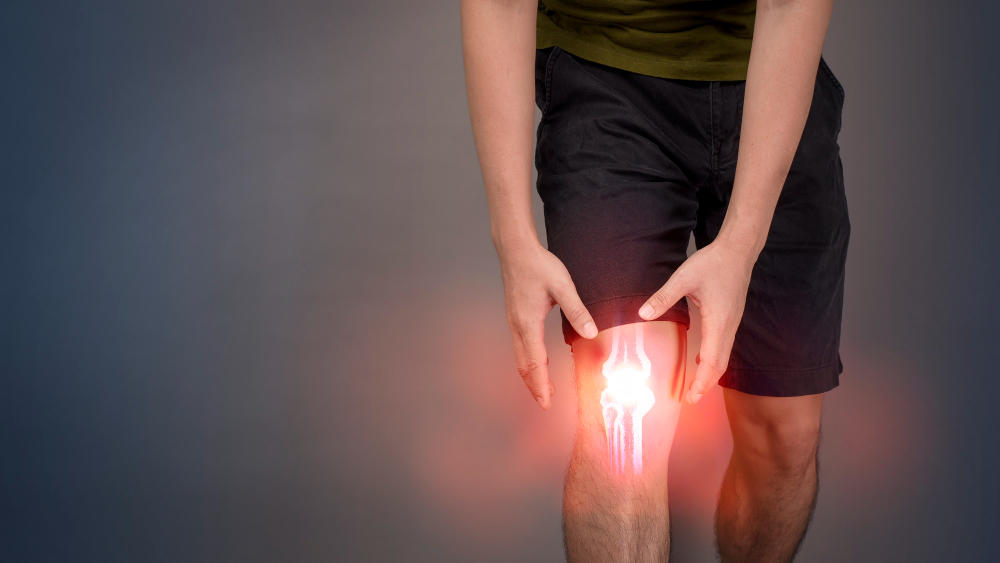
What Is Knee Pain?
Knee pain is a common problem that affects people of all ages. It can make walking, standing, or climbing stairs hard. For many, knee pain can come and go. Others may feel it all the time. Because the knee is a large joint, it supports much of your body weight. As a result, it is more likely to get hurt or develop problems over time. Knee pain can happen suddenly or build up slowly. In some cities, cold or damp weather may make knee pain feel worse. Understanding knee pain is the first step toward finding relief and better movement.
Common Causes of Knee Pain
Many things can lead to knee pain. Some causes are due to injuries, while others come from wear and tear. Knowing the causes of knee pain helps you find the right treatment. For example, sports injuries are a leading cause in young people. In contrast, older adults may have pain from arthritis. Below are some common reasons for knee pain:
Additionally, being overweight or having weak muscles can put extra stress on your knees. In some areas, walking on uneven ground or cold weather may also make knee pain worse.
Symptoms of Knee Pain
Knee pain symptoms can vary from person to person. However, some signs are more common than others. For instance, you may feel pain in the front, back, or sides of your knee. Sometimes, the pain is sharp. Other times, it is dull or aching. Along with pain, you might notice:
Because symptoms can change, it is important to pay attention to what makes your knee pain better or worse. For example, some people notice more pain after activity, while others feel it most in the morning.
How Knee Pain Is Diagnosed
Doctors use several steps to find the cause of knee pain. First, they ask about your symptoms and medical history. Next, they will examine your knee. During the exam, your doctor may check for swelling, tenderness, or changes in movement. In many cases, doctors use tests to help diagnose knee pain. These may include:
Because knee pain has many causes, a careful diagnosis helps guide the best treatment plan.
Treatment Options for Knee Pain
Knee pain treatment depends on the cause and how severe it is. For mild pain, simple steps at home may help. In contrast, some cases need medical care. Here are common treatment options for knee pain relief:
For ongoing knee pain, always talk with your doctor before starting a new treatment. According to the CDC, early care can help prevent long-term problems.
Lifestyle Tips to Manage Knee Pain
Managing knee pain at home is possible for many people. For example, making small changes in your daily routine can help reduce pain. Here are some tips for knee pain relief:
Because weather can affect joint pain, dress warmly in cold climates. In addition, try to stay active, as movement can help keep your knees healthy.
Preventing Knee Pain
Preventing knee pain is possible with a few simple steps. Although not all causes can be avoided, you can lower your risk. Here are ways to help prevent knee pain:
For those living in places with cold or wet weather, staying active indoors can also help prevent knee pain. By following these tips, you can protect your knees and enjoy better movement each day.
Start your journey towards better well-being with us.