
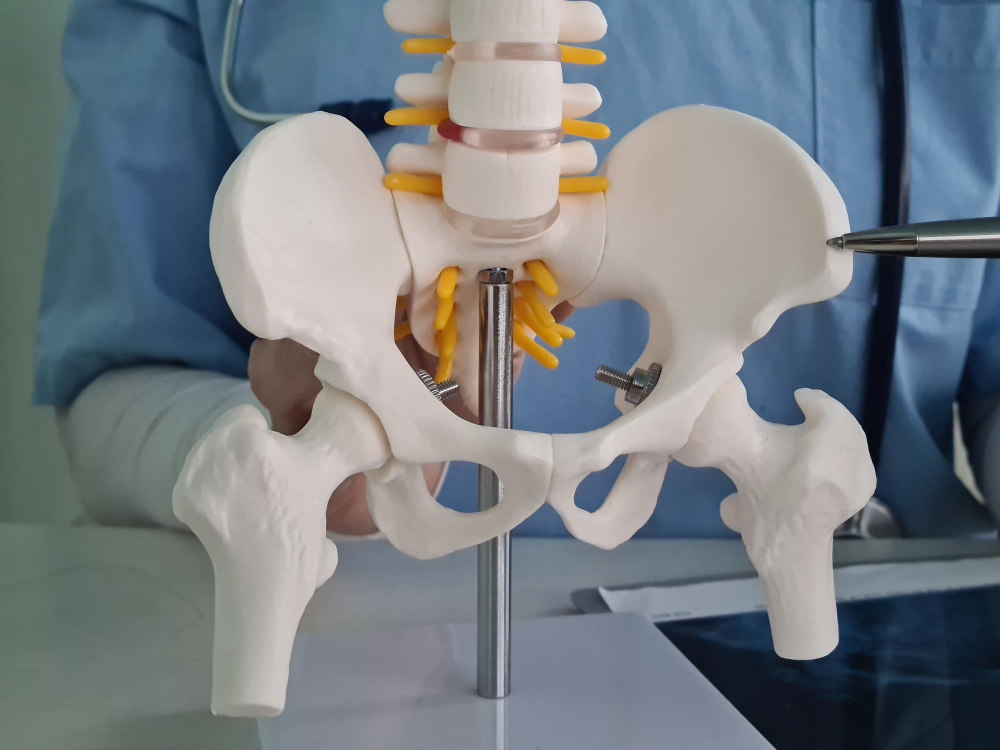
What Is a Hip Fracture?
A hip fracture is a break in the upper part of the thigh bone, called the femur. This bone connects your leg to your hip joint. When someone has a hip fracture, it usually means the bone has cracked or broken near where the leg meets the hip. Because the hip joint helps us walk and move, a hip fracture can make it hard to stand or walk. For many people, especially older adults, a hip fracture is a serious injury that needs quick medical care.
Common Symptoms of Hip Fracture
After a hip fracture, symptoms often appear right away. However, some signs may be less obvious. If you notice these symptoms, seek help quickly. Common hip fracture symptoms include:
Sometimes, people may also feel weak or dizzy after a fall. For this reason, it is important to watch for these signs if someone falls and cannot get up.
Causes and Risk Factors
Most hip fractures happen after a fall, especially in older adults. However, some people can break their hip from minor bumps if their bones are weak. The main causes of hip fractures include:
Several risk factors can increase the chance of a hip fracture. These include:
According to the CDC, hip fractures are more common in older adults and those with osteoporosis. Because bones weaken with age, the risk increases over time.
How Is a Hip Fracture Diagnosed?
If a hip fracture is suspected, doctors start with a physical exam. They will look for pain, swelling, or changes in leg position. Next, they usually order X-rays to see if the bone is broken. Sometimes, if the X-ray is not clear, doctors may use other imaging tests, such as MRI or CT scans. These tests help find small fractures that may not show up on regular X-rays.
It is important to seek medical help right away if you or someone you know falls and cannot move the leg, or has severe hip pain. Early diagnosis helps start hip fracture treatment quickly and improves recovery chances.
Treatment Options for Hip Fracture
Treating a hip fracture usually involves surgery. However, the exact treatment depends on the type of fracture and the person’s health. Common hip fracture treatment options include:
After surgery, rehabilitation is very important. For example, physical therapy helps people regain strength and learn to walk again. Most people start moving with help within a few days after surgery. Recovery can take weeks or months, but early movement helps prevent problems like blood clots or pneumonia. The World Health Organization notes that a strong recovery plan can improve long-term outcomes.
Preventing Hip Fractures
While not all hip fractures can be prevented, many steps can lower the risk. For instance, making the home safer and staying active both help protect your bones. Here are some tips for preventing hip fractures:
For trusted guidance and comprehensive care, Consult Dr. Vineeth Reddy Mettu