
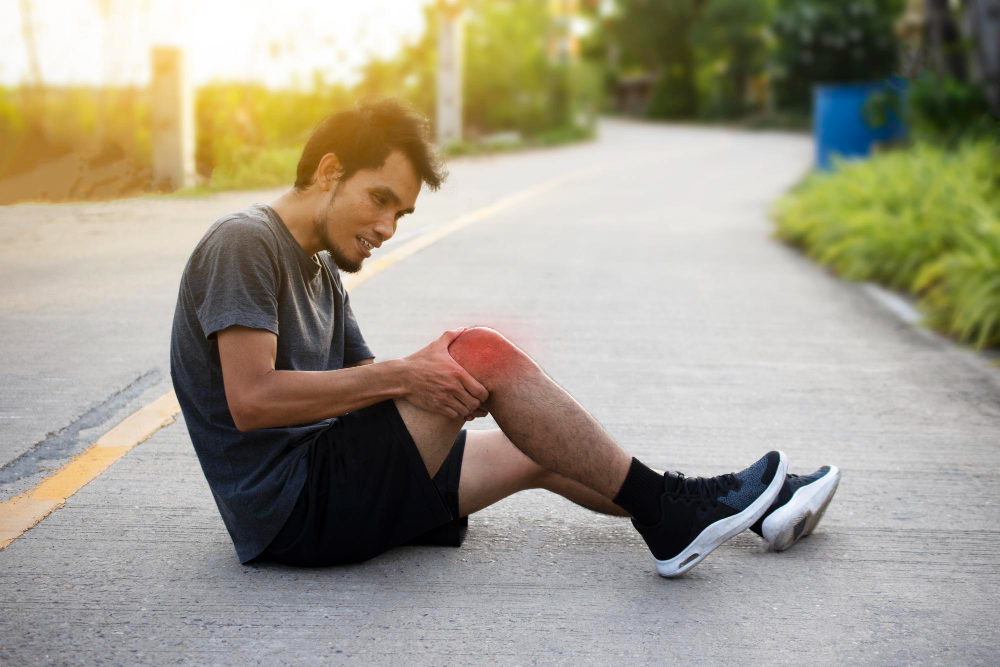
What is an ACL Tear?
An ACL Tear is a common knee injury. The ACL, or anterior cruciate ligament, helps keep your knee stable. When this ligament tears, your knee may feel weak or give out. Many people with an ACL Tear notice pain and swelling soon after the injury. Because the ACL is important for movement, an ACL injury can affect daily life and sports. ACL tears often happen during activities that involve sudden stops or changes in direction. For example, soccer, basketball, and football players are at higher risk. However, anyone can experience an ACL Tear.
Symptoms of an ACL Tear
Recognizing ACL tear symptoms early can help you get the right treatment. Common signs include:
Sometimes, people may also notice bruising or trouble walking. If you have these symptoms, seek medical help soon. Early care can improve ACL injury recovery.
Causes and Risk Factors
ACL tears often happen during sports or activities that put stress on the knee. For instance, quick stops, jumps, or changes in direction can cause the ligament to tear. But, ACL tears can also occur from falls or car accidents. Several risk factors increase the chance of an ACL Tear:
Knowing these risks can help you take steps to protect your knee.
Diagnosis of ACL Tears
Doctors use several methods to diagnose an ACL Tear. First, they will ask about your symptoms and how the injury happened. Next, they will examine your knee for swelling, pain, and movement. Often, doctors use special tests to check the stability of your knee. In many cases, imaging tests help confirm the diagnosis. These may include:
Early diagnosis is important. It helps guide the best ACL tear treatment options for you.
Treatment Options
Treatment for an ACL Tear depends on your age, activity level, and injury severity. Some people recover with rest and therapy, while others may need surgery. Common ACL tear treatment options include:
After treatment, ACL injury recovery can take several months. However, following your doctor’s advice can help you return to normal activities safely.
Prevention Tips
While not all ACL tears can be prevented, you can lower your risk. Consider these tips:
By following these steps, you can help protect your knees during daily activities and sports.
Living with an ACL Tear
Living with an ACL Tear can be challenging, but many people return to their usual activities. With the right treatment and care, you can regain knee strength and movement. For example, physical therapy helps improve balance and flexibility. Also, staying active with safe exercises can support recovery. If you have had surgery, follow your doctor’s instructions closely. Remember, recovery takes time. However, patience and effort can lead to good results. Always talk to your healthcare provider before starting new activities.
If you think you have an ACL Tear or need advice, consult an orthopedic specialist Dr. Vineeth Reddy Mettu for personalized care and guidance.